
How SSL Encryption Works at Polospin
When you access any online platform that handles sensitive data, the first line of defense is SSL (Secure Sockets Layer) encryption. Polospin uses TLS 1.3 protocol, the current industry standard, to encrypt all data transmitted between your browser and its servers. This means that any information you submit — from login credentials to financial details — is converted into an unreadable ciphertext before leaving your device and can only be decrypted by the authorized destination server. To confirm this is active, look at the URL bar: the padlock icon and https:// prefix indicate a valid certificate issued by a trusted Certificate Authority. The specific certificate used by Polospin is an Extended Validation (EV) SSL certificate, which requires the most rigorous vetting process. This level of encryption prevents eavesdropping, man-in-the-middle attacks, and data tampering during transmission. Without SSL, any data sent over a network could be intercepted by malicious actors on the same Wi-Fi network or at an ISP level. For a practical check, you can click the padlock icon in your browser to view certificate details — the issuer, validity period, and fingerprint hash are all visible there. Polospin also enforces HSTS (HTTP Strict Transport Security), which forces your browser to always use an encrypted connection and blocks any attempts to downgrade to HTTP.
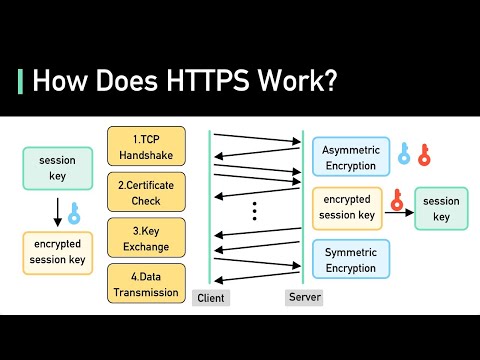
Step-by-Step Guide to Verifying Your Connection Security
Verifying that your connection to Polospin is properly encrypted takes less than two minutes and requires no special tools. Follow these steps every time you log in or make a transaction:
- Open your browser and navigate to the Polospin platform. Do not use bookmarks — type the official URL manually to avoid phishing redirects.
- Look at the address bar. Confirm you see a closed padlock icon and that the URL begins with
https://— nothttp://. If the padlock is open, missing, or shows a warning triangle, do not proceed. - Click the padlock icon. A dropdown will show connection details. Select “Certificate” or “Connection is secure” then “Certificate information” (wording varies by browser).
- Check the certificate issuer — it should be a well-known authority like DigiCert, GlobalSign, or Let’s Encrypt. For Polospin, the certificate is issued by a commercial CA, not a self-signed one.
- Verify the certificate’s validity period. The dates should be current. An expired certificate is a red flag.
- Examine the certificate subject — the domain name listed must exactly match
polospin.eu.comor the specific subdomain you are visiting. Any mismatch indicates a potential spoofing attempt. - If everything checks out, you can safely enter your credentials. If any step fails, close the tab and contact support directly without entering any data.
This verification process is especially important when using public Wi-Fi, where SSL stripping attacks are common. A tool like the SSL Labs browser extension can automate certificate checks, but manual verification is always reliable.
Data Protection Protocols Beyond Encryption
SSL encryption protects data in transit, but Polospin also implements several complementary measures to safeguard data at rest and during processing. All stored personal information — including full name, address, date of birth, and payment method details — is encrypted using AES-256, the same standard used by banks and governments. This means that even if a database breach occurred, the stolen data would be unreadable without the decryption keys, which are stored separately in a hardware security module (HSM). Access to decrypted data is restricted to authorized personnel only, and every access attempt is logged with timestamps and user identifiers. Polospin also follows PCI DSS (Payment Card Industry Data Security Standard) compliance requirements for all card transactions. This includes regular vulnerability scans, penetration testing, and network segmentation between the cardholder data environment and other parts of the infrastructure. Additionally, the platform uses tokenization for recurring payments: instead of storing your actual card number, a unique token is generated and stored, so even internal systems never see your full PAN (Primary Account Number). For account recovery and password resets, two-factor authentication (2FA) is available and strongly recommended. You can enable 2FA via an authenticator app like Google Authenticator or Authy, which adds a time-based one-time password (TOTP) to your login process. This prevents unauthorized access even if your password is compromised.
Troubleshooting Common SSL and Security Issues
Even with robust encryption, users occasionally encounter connection problems. The most common issue is a “Your connection is not private” warning in the browser. This usually occurs due to an incorrect system clock on your device — if your computer’s date or time is off by more than a few hours, certificate validation fails. To fix this, enable automatic time synchronization in your operating system settings and restart your browser. Another frequent issue is cached or corrupted SSL state. In Chrome and Edge, you can clear this by going to Settings > Privacy and Security > Clear browsing data, selecting “Cached images and files” and “Cookies and other site data”, then clearing. For Firefox, go to Options > Privacy & Security > Clear Data. If you are behind a corporate firewall or using a VPN, some networks perform SSL inspection by replacing the certificate with their own — this can trigger certificate warnings. In that case, disconnect from the VPN or corporate network temporarily to test if the issue resolves. Polospin also blocks access from certain IP ranges associated with high fraud risk, so if you are using a VPN exit node in a restricted country, you may get a connection timeout. The recommended solution is to connect directly from your home network without a VPN, or use a VPN server located in a permitted jurisdiction. If you consistently see certificate errors, run a diagnostic with the SSL Labs Online Test (ssllabs.com) by entering the Polospin domain — this will check the server configuration, certificate chain, and protocol support. A grade of A or A+ is expected; anything lower indicates a server-side misconfiguration that should be reported to support.
For a quick reference, the table below summarizes the key security features available at Polospin and what each one protects against:
| Security Feature | What It Protects | How to Verify It Is Active |
|---|---|---|
| TLS 1.3 Encryption | Data in transit (passwords, financial details, personal info) | Check for padlock and https:// in the URL bar |
| AES-256 Data Encryption | Stored personal and financial data at rest | Review privacy policy or inquire with support |
| Two-Factor Authentication (2FA) | Account takeover even if password is stolen | Enable in Account Settings under Security |
| PCI DSS Compliance | Payment card data from theft or fraud | Platform displays PCI DSS badge on payment page |
| Tokenization | Recurring payment card numbers from exposure | Check for token reference in payment history |
| HSTS | Downgrade attacks (forced HTTP connection) | Browser automatically uses HTTPS — no option to use HTTP |
Payment Security and Encryption Standards
When you make a deposit or withdrawal at Polospin, your payment data goes through multiple layers of protection. All supported payment methods — including Visa, Mastercard, Skrill, Neteller, and bank transfers — are processed through PCI DSS Level 1 compliant gateways. This means the payment processor itself undergoes annual on-site audits and quarterly network scans. The Polospin no deposit offers and promotional credits are also subject to the same encryption standards, so even bonus-related transactions are secured. For deposits, funds typically appear in your account within 30 seconds to 2 minutes depending on the method. Withdrawals require identity verification first — you will need to submit a government-issued ID, a recent utility bill (less than 3 months old), and in some cases a proof of payment method (e.g., photo of card with middle digits hidden). The KYC (Know Your Customer) process typically takes 24 to 48 hours for document review. Once approved, withdrawal times vary: e-wallets process within 12–24 hours, cards within 3–5 business days, and bank transfers up to 7 business days. During the withdrawal process, the data you submit — including your bank account number or e-wallet email — is transmitted using the same TLS 1.3 encryption described earlier. If you use a Polospin promo code during deposit, the code itself is transmitted as encrypted form data and does not expose your account to any additional risk. The Polospin free spins awarded through promotions are credited automatically and require no extra data submission, so there is no additional exposure. For users who prefer cryptocurrency, transactions are processed on-chain with your wallet address visible only to the blockchain network — Polospin does not store your private keys. The Polospin bonus terms and wagering requirements are clearly displayed before you opt in, and the Polospin casino interface includes a dedicated security dashboard where you can view your login history, active sessions, and linked devices. By staying informed and using the tools provided, you can maintain a secure experience on the platform.
As a final practical note, always ensure you are visiting the legitimate domain. The official site is Polospin, and the SSL certificate will always match this exact domain. Bookmark the URL after verifying it once to avoid typosquatting sites that may use similar-looking domains like pol0spin or polospin-security. With the encryption and data protection measures described above, polospin provides a secure environment for your online sessions, but the responsibility also lies with you to maintain good security hygiene: use strong unique passwords, enable 2FA, keep your browser updated, and never share your account credentials with anyone.